
Photo : Michaela Knizova
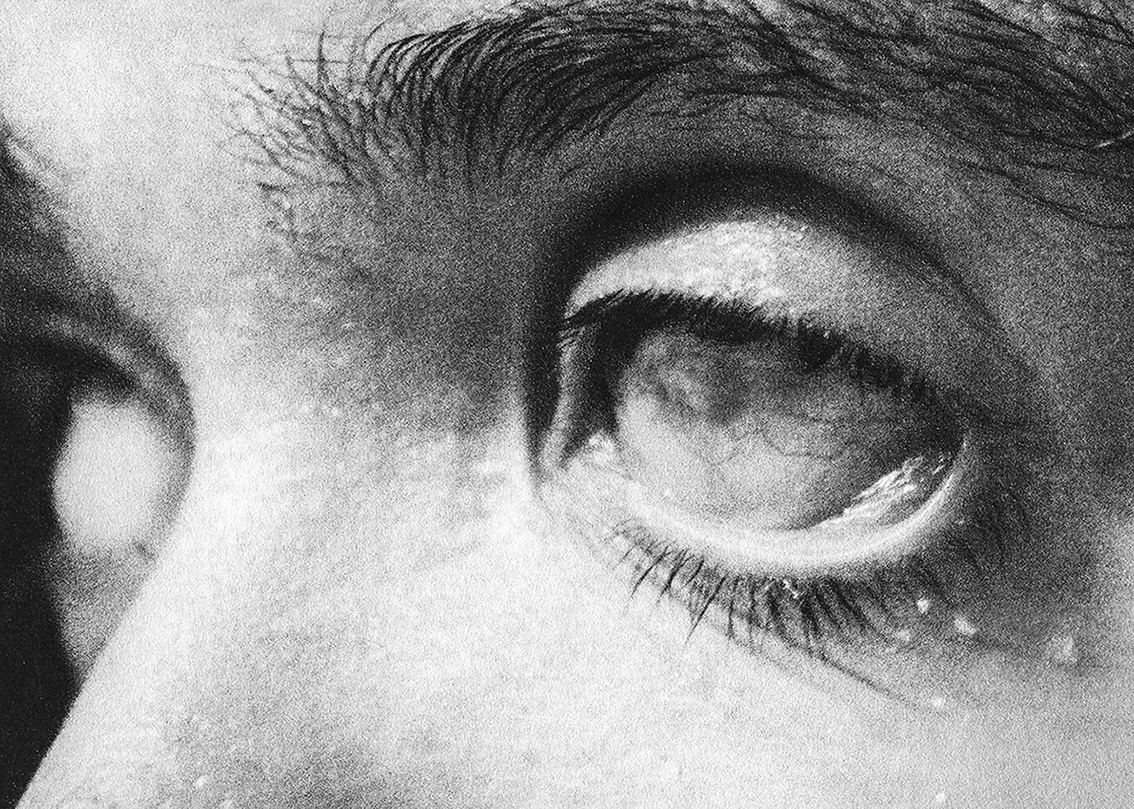
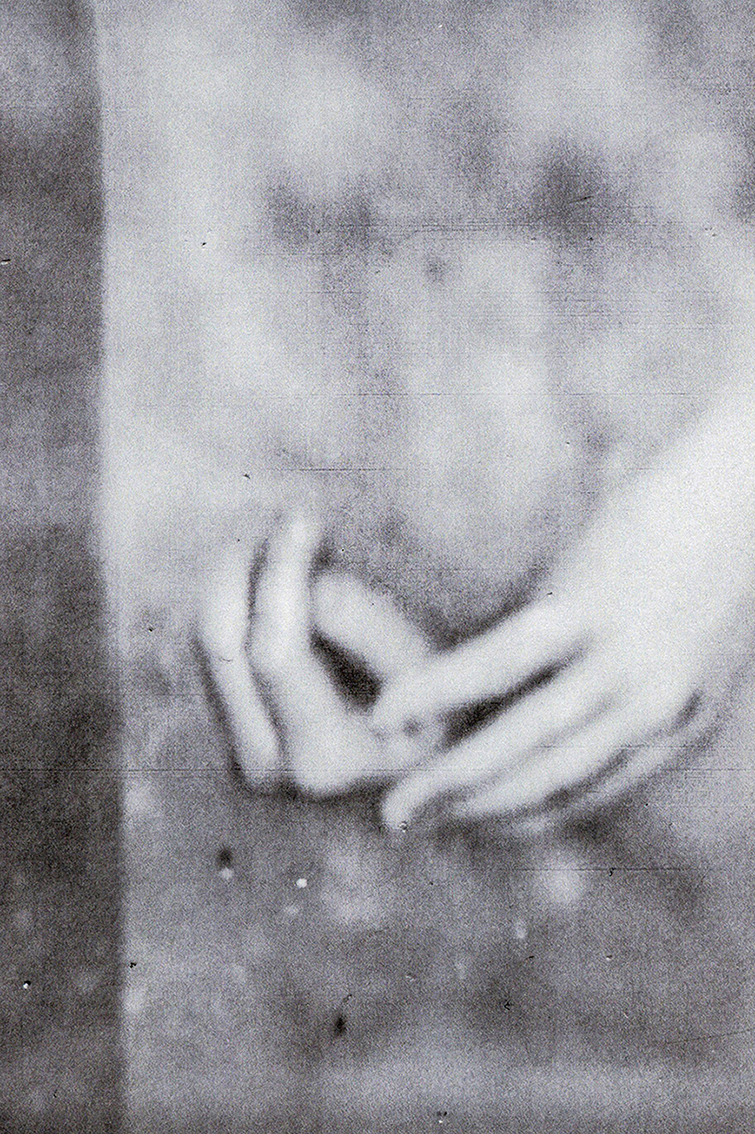
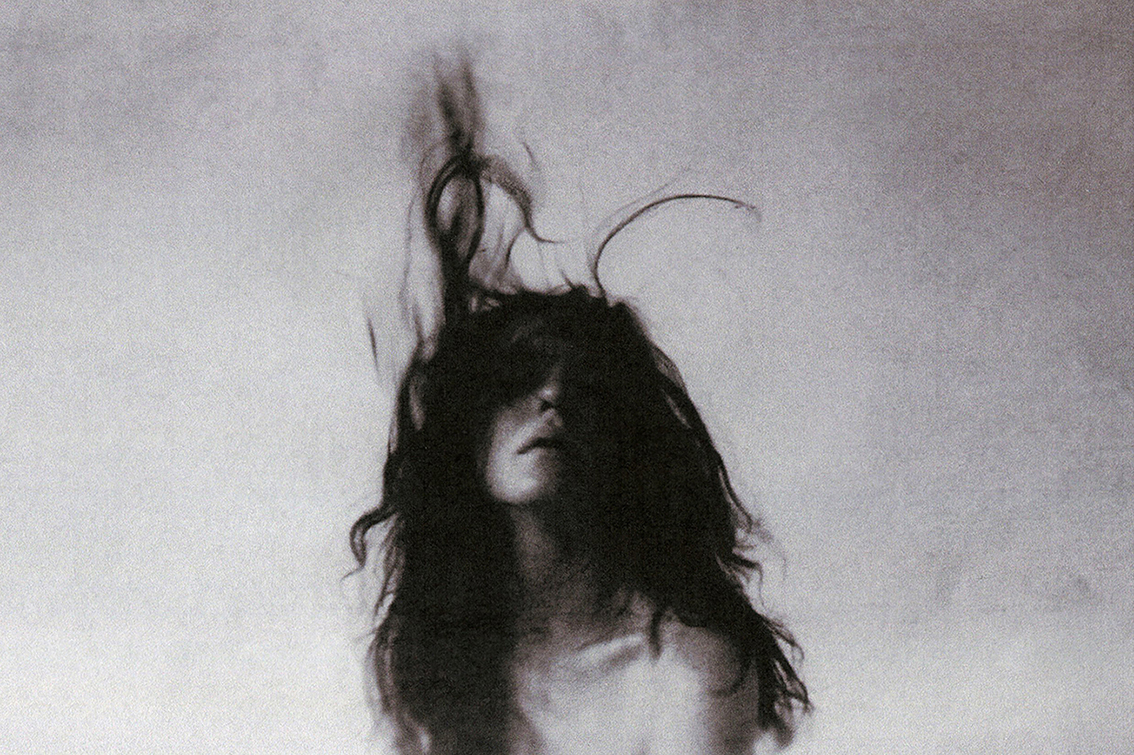
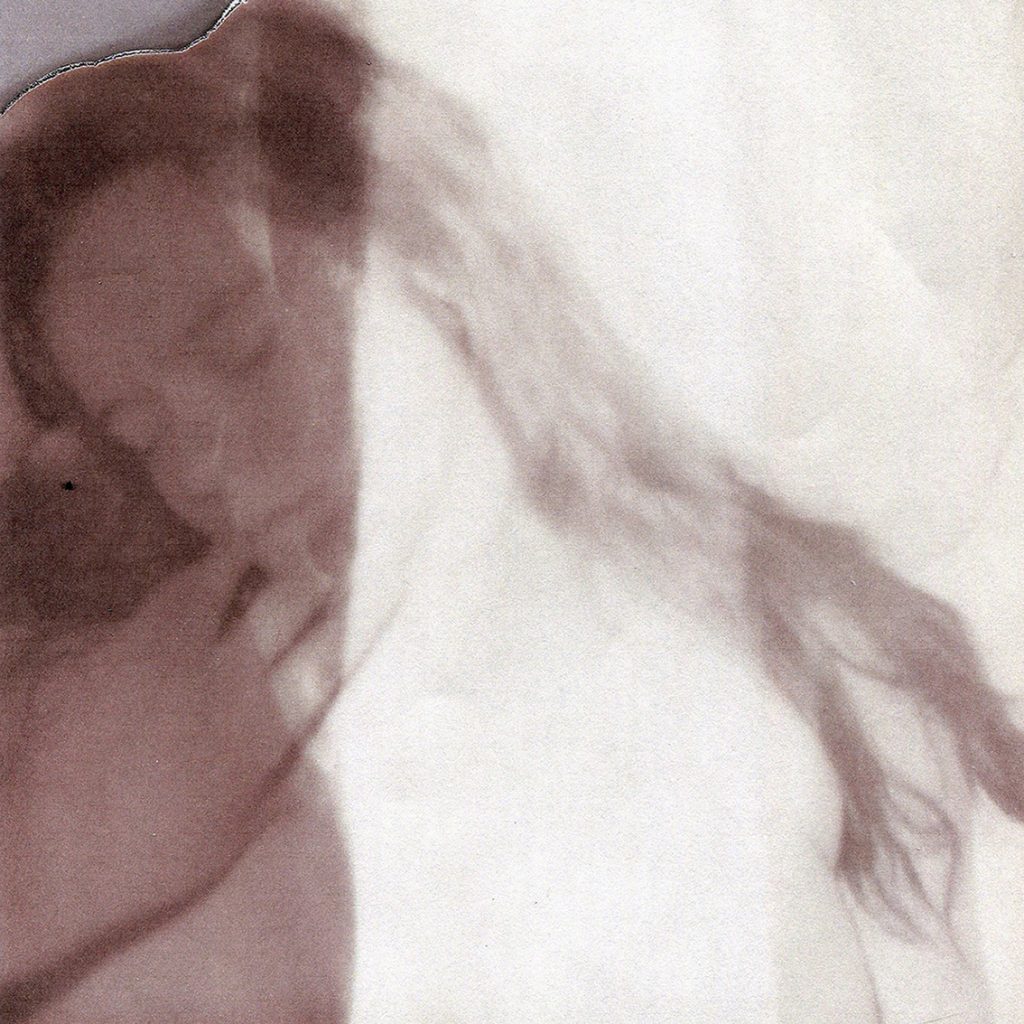
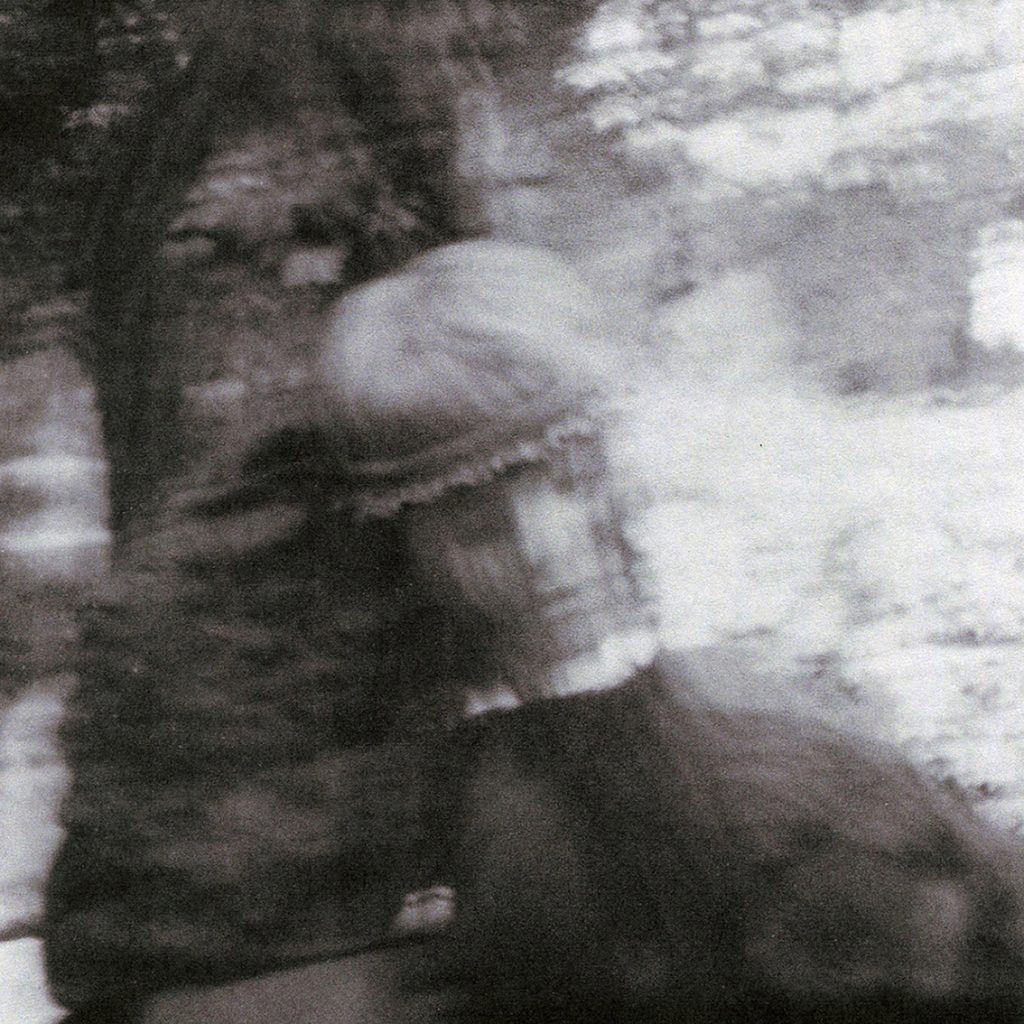
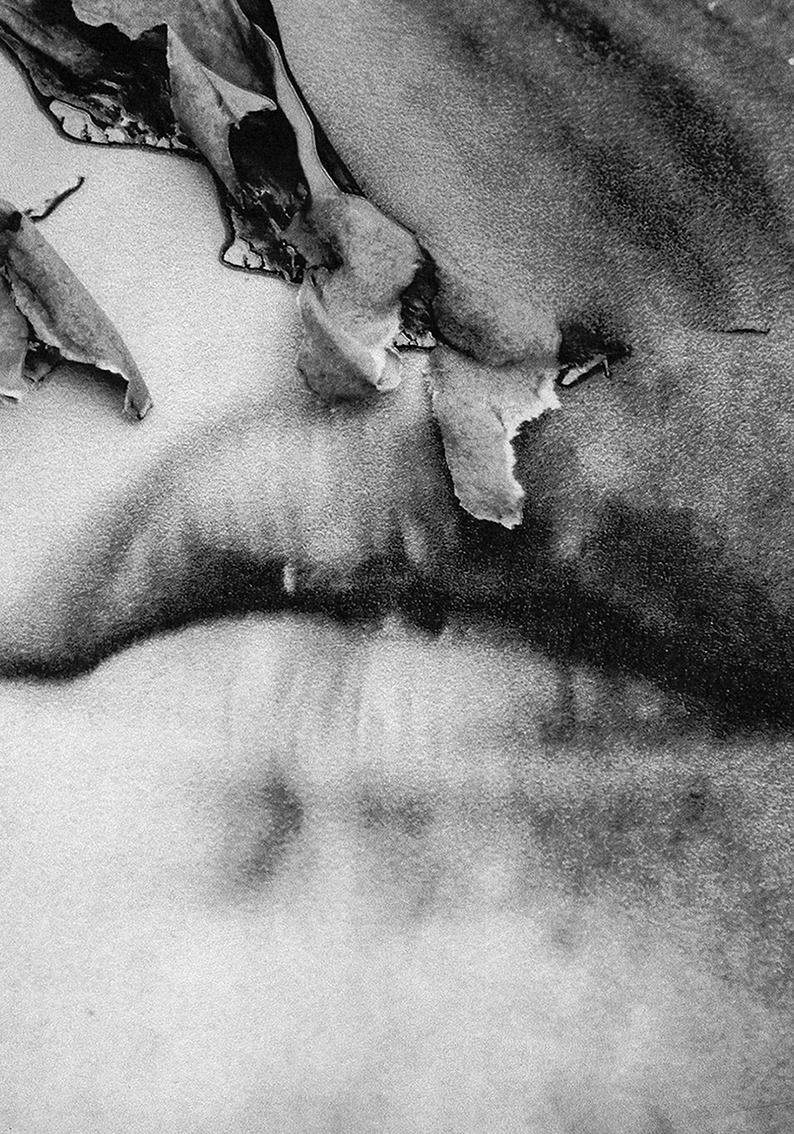
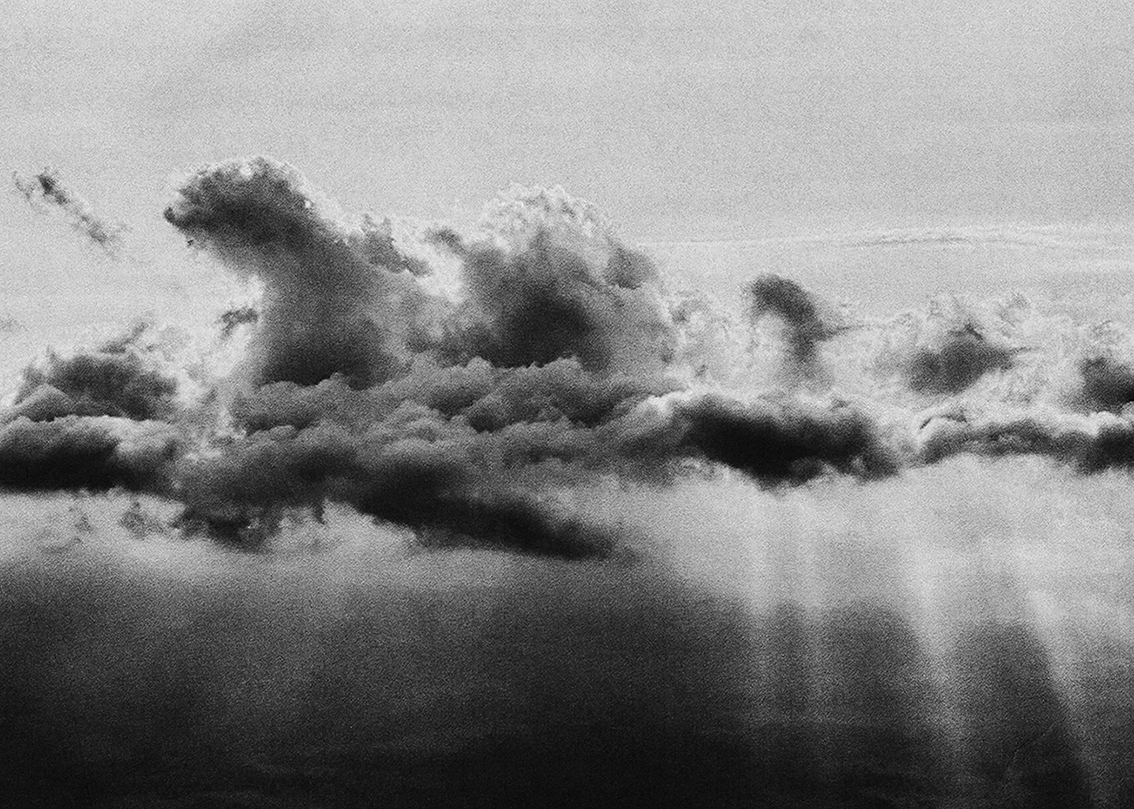
Mysticism has always felt intriguing to me: confusing, strange, magical, and attracting. I first encountered Teresa of Ávila through Gian Lorenzo Bernini’s sculpture The Ecstasy of Saint Teresa. Like many others, I was struck by her expression, suspended in a space between divine rapture and something unmistakably sensual.
When I later read about her life, I discovered a woman who lived whirl of physical pain, inner turmoil, and altered states of consciousness, yet transformed these experiences into visions of spiritual intimacy. Pain seemed to become a facilitator, something that could open a passage beyond the limits of the body.
More recently I was drawn to the writings of Mechthild of Magdeburg. Her language is intensely emotional and often openly erotic. It raises a curious thought: perhaps chastity was not the repression of desire, but another form of it, where longing was redirected toward mystical vision rather than the physical world.
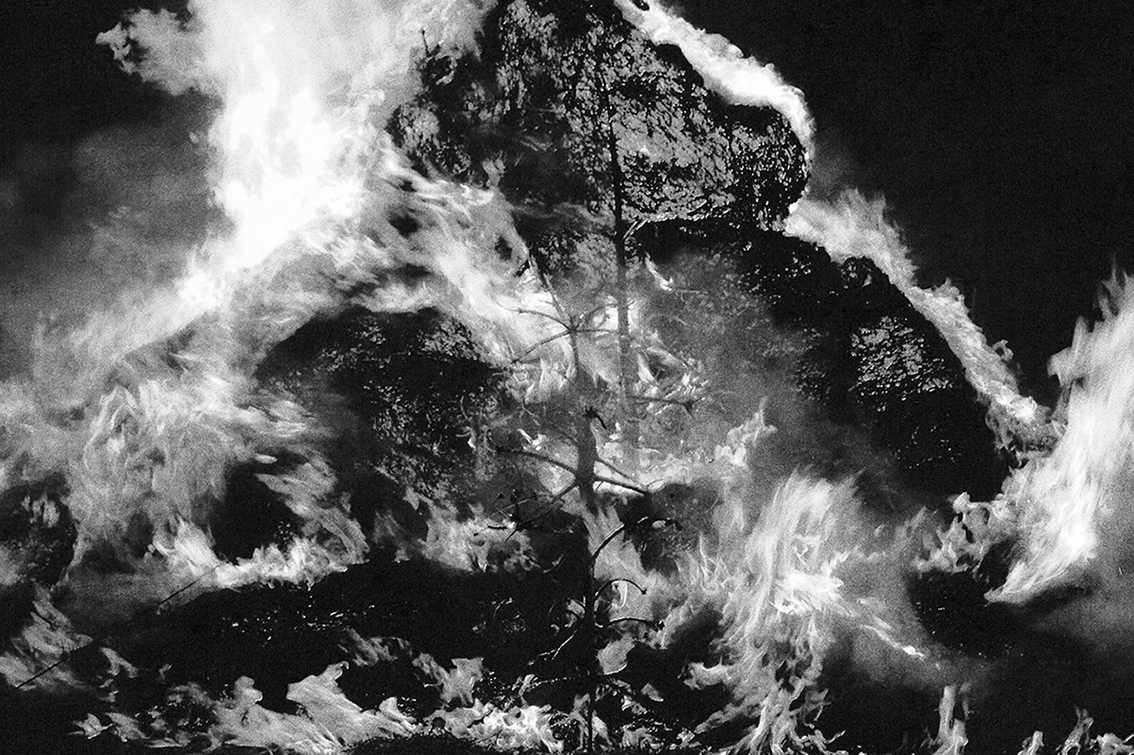
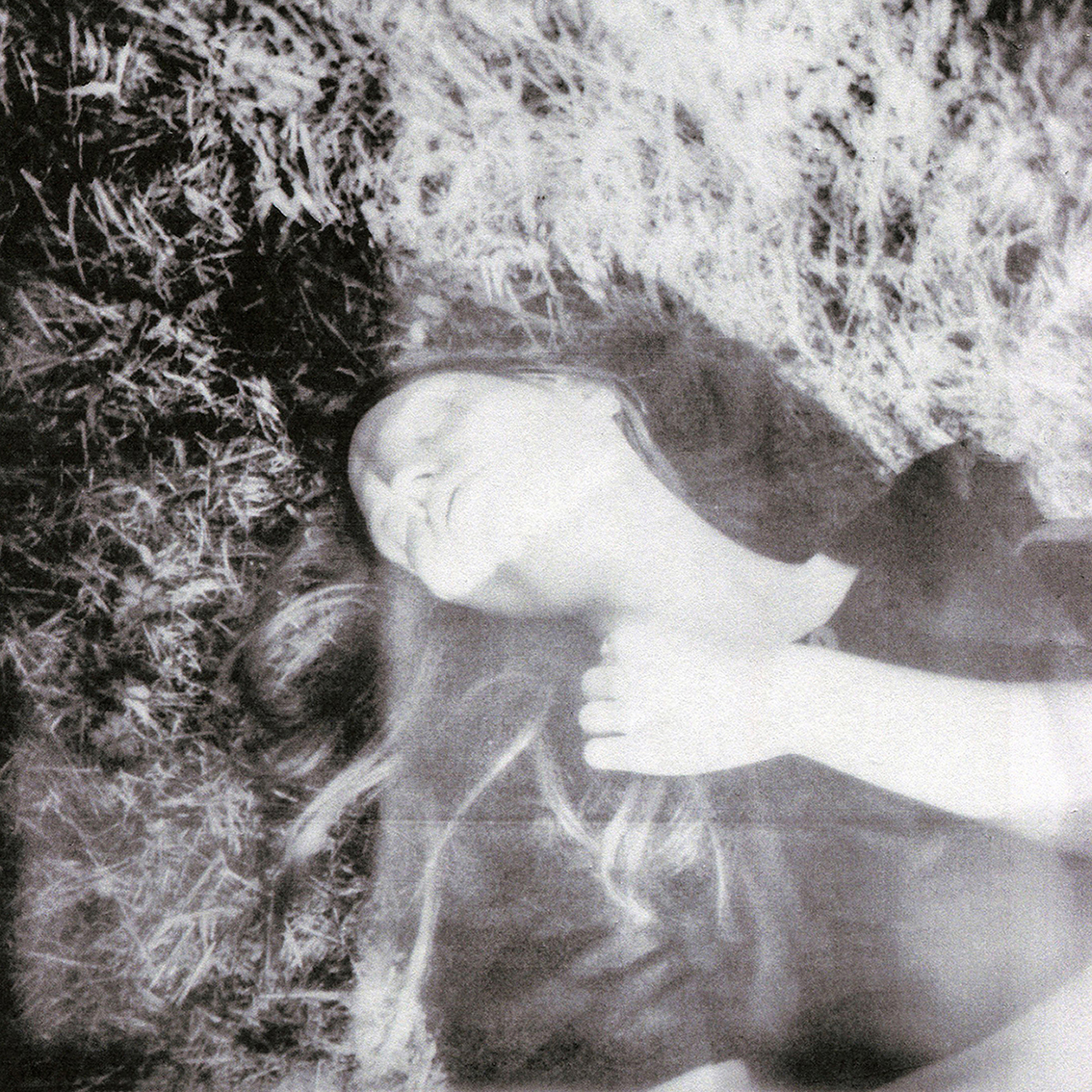
In the texts of these mystics, pain and ecstasy are rarely opposites. Instead, they exist side by side, intertwined. Whether understood as divine encounter, a psychological mechanism of survival, or altered consciousness, their experiences reveal a transparent border where suffering can ignite something luminous.
Votre panier est actuellement vide.
Pour recevoir notre actualité et toutes les dernières news de Bad to the bone.